What Happens During a Professional Hazard Assessment?
Whether you manage a commercial facility in Maroochydore, run a hospitality venue in Noosa, or own a residential acreage property in the Sunshine Coast hinterland, proactive risk management is essential. A professional hazard assessment systematically identifies potential dangers on a property before they result in injuries, structural damage, or costly legal liabilities. Under current 2026 workplace health and safety frameworks and local property standards, these audits have become vital tools for https://beauuaaz430.slatecurrent.com/posts/choosing-fruit-trees-that-thrive-on-the-sunshine-coast maintaining safety and regulatory compliance.
Understanding what occurs during an on-site evaluation allows property owners and managers to prepare effectively and gain the maximum benefit from the process.
The Step-by-Step Assessment Process
A certified risk assessor follows a rigorous, structured methodology designed to identify overt hazards as well as latent issues that an untrained eye might overlook. The evaluation generally unfolds across four key stages:
- Initial Scoping and Documentation Review: The assessor examines property layouts, previous safety logs, maintenance records, and relevant regulatory requirements to establish the focus areas for the physical inspection.
- Physical On-Site Investigation: A comprehensive walk-through of the entire property takes place, evaluating physical structures, access routes, utility connections, and environmental conditions.
- Risk Classification and Scoring: Each identified hazard is measured against standard risk matrices, balancing the likelihood of an incident occurring against the potential severity of the outcome.
- Remediation Planning and Reporting: The specialist compiles an actionable, prioritized report detailing immediate controls, medium-term solutions, and ongoing preventative strategies.
Key Hazards Evaluated on the Sunshine Coast
Local geography and climate play a significant role during a safety audit. The Sunshine Coast's subtropical climate, coastal salt air, and storm-prone summer seasons create distinct challenges that assessors closely monitor.
During an inspection, assessors target both universal building risks and regional environmental factors, including:
- Vegetation and Tree Hazards: Examining aging eucalypts and storm-damaged branches that threaten roofs, power lines, or pedestrian pathways.
- Moisture and Coastal Corrosion: Checking exterior decks, balustrades, fasteners, and support posts for timber rot or metal degradation accelerated by coastal humidity.
- Drainage and Stormwater Integrity: Ensuring gutters, overland flow channels, and retention pits are clear to manage torrential seasonal downpours.
- Slip, Trip, and Fall Zones: Identifying moss buildup on external pathways, uneven paving, poor lighting along walkways, and inadequate stair tread grip.
- Emergency Preparedness: Verifying clear fire egress paths, current extinguisher certifications, and defensible space around bushfire-prone perimeters.
What You Receive in the Final Report
Once the physical audit is complete, the assessor produces a formal hazard assessment document. In 2026, standard reports feature photographic evidence paired with digital risk heat-maps, categorizing hazards by urgency. High-priority items require immediate action to prevent injury or clear non-compliance penalties, while lower-priority findings serve as an operational roadmap for future budgeting.
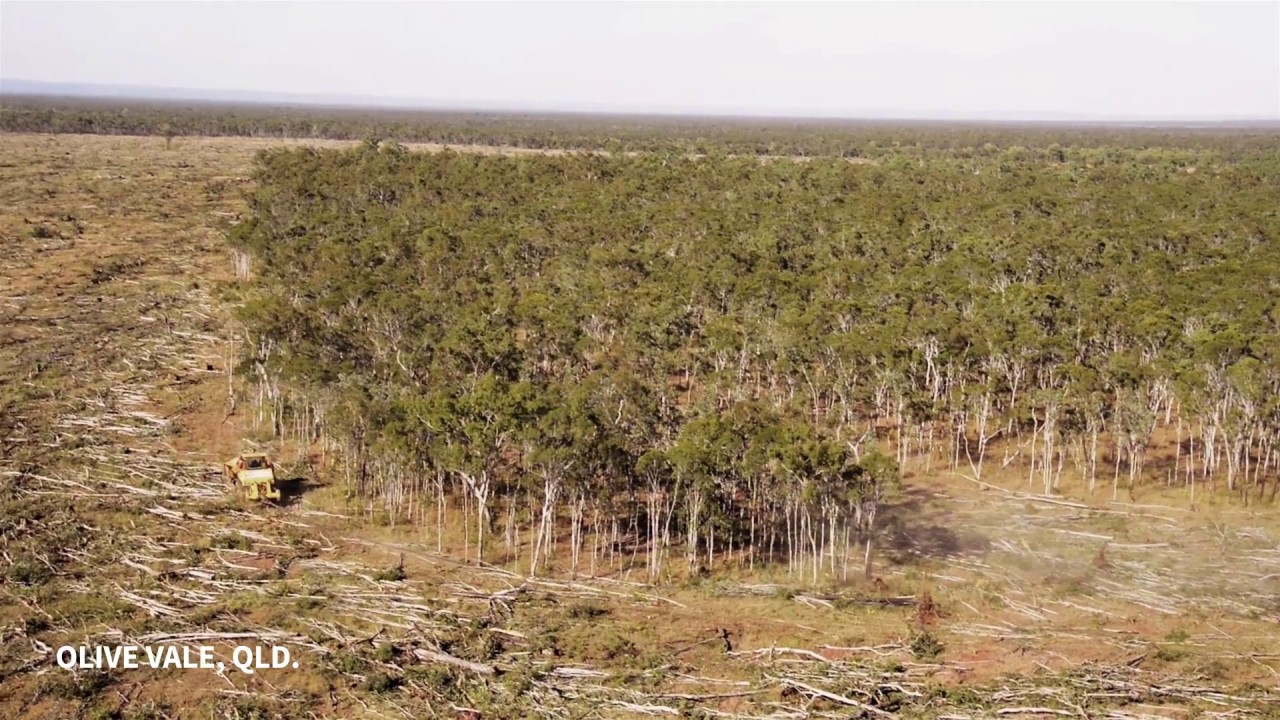


This report serves multiple practical purposes. It provides concrete proof of due diligence for insurers, guides local trades in performing exact repairs, and ensures your Sunshine Coast property remains safe, resilient, and fully compliant heading into 2027 and beyond.
Sunshine Coast Tree Removal Experts
Unit 5/12 Kelly Ct, Buderim QLD 4556
(07) 4144 9008
Corrections
Spot something wrong? Send it to the desk and it gets fixed in the open.